
Deciding between gastric bypass and gastric sleeve surgery is a big step toward taking control of your health. Both procedures are powerful tools for sustainable weight‑loss and improved health, yet they differ in how they work, the weight loss they produce and the lifestyle changes they demand. This beginner‑friendly comparison explains each operation, weighs the pros and cons and helps you start a conversation with your care team.
What Is Gastric Bypass?
The most common form of gastric bypass is the Roux‑en‑Y procedure. During surgery a small pouch is created from the top of the stomach and then connected directly to a lower segment of the small intestine, bypassing most of the stomach and the first part of the intestine. This not only restricts how much food you can eat, but also reduces the absorption of calories and nutrients. It therefore combines restriction with malabsorption.

Results & Benefits
- Weight‑loss: On average, people lose 60–80 % of their excess weight over two years. Stony Brook Medicine notes that many patients lose about 35 % of their initial body weight within 12‑18 months.
- Health improvements: Gastric bypass often leads to remission of type 2 diabetes, significant improvements in high blood pressure and sleep apnea, and can alter gut hormones to reduce hunger.
- Durability: Long‑term studies show durable weight loss and metabolic benefits, especially when combined with lifestyle changes.
Considerations & Risks
- Surgical complexity: It’s more complex than a sleeve. Because the small intestine is re‑routed, the operation takes longer and has a slightly higher risk of surgical complications.
- Nutrient deficiencies: Bypassing part of the intestine means lifelong vitamin and mineral supplementation is essential to prevent anemia, osteoporosis and other deficiencies.
- Dumping syndrome: Eating high‑sugar foods can cause nausea, weakness and diarrhea as food rushes into the small intestine too quickly. This can be uncomfortable but also helps discourage sweets.
What Is Gastric Sleeve?
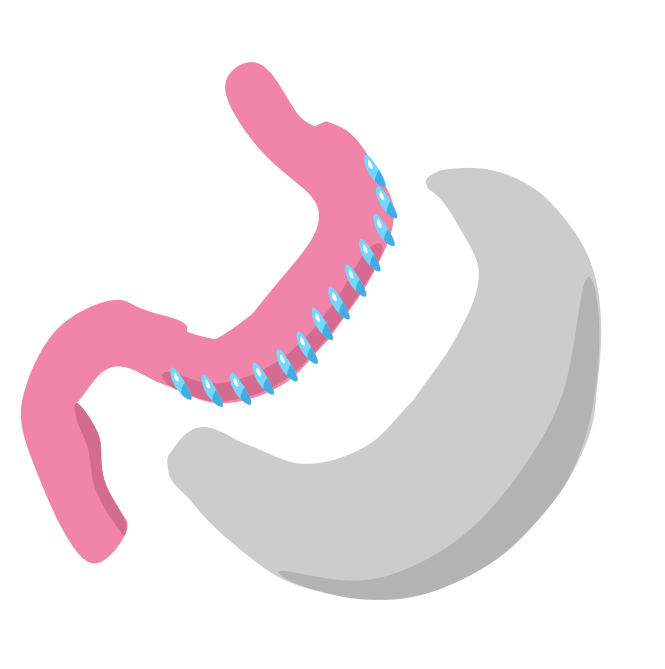
In a sleeve gastrectomy (also called a vertical sleeve gastrectomy), surgeons remove about 75–85 % of the stomach along its greater curvature. What remains is a narrow tube or “sleeve” shaped like a banana, connecting the esophagus to the duodenum. Unlike a bypass, the intestines are left intact, so there is no change to absorption of nutrients.
Results & Benefits
- Weight‑loss: Patients typically lose 50–70 % of their excess weight within two years. Stony Brook reports an average 30 % reduction of total body weight in the first 12–18 months.
- Lower surgical risk: The procedure is simpler and shorter because no intestines are rearranged. Hospital stays and early complication rates are generally lower than with bypass surgery.
- Hormonal advantages: Removing the part of the stomach that produces ghrelin can greatly reduce appetite, making it easier to feel satisfied on smaller meals.
Considerations & Risks
- Irreversible: Once removed, the stomach cannot be replaced. While a gastric bypass can sometimes be revised, a sleeve is permanent.
- Acid reflux: Up to 30 % of patients experience new or worsening gastro‑esophageal reflux. If you already have severe reflux, a bypass might be a better option.
- Weight regain: Because the stomach is still connected to the normal digestive tract, the sleeve offers less metabolic change. Stretching of the sleeve or frequent grazing can lead to weight regain. Lifelong lifestyle change is essential.
Head‑to‑Head Comparison
| Feature | Gastric Bypass (Roux‑en‑Y) | Gastric Sleeve |
|---|---|---|
| Mechanism | Restrictive and malabsorptive: small pouch + intestinal bypass | Restrictive only: 75–85 % of stomach removed |
| Average excess‑weight loss | 60–80 % | 50–70 % |
| Total body‑weight loss in 12–18 months | ~35 % | ~30 % |
| Impact on diabetes | Often leads to remission; strong metabolic effect | Improves diabetes but less dramatic |
| Vitamin supplementation | Lifelong supplements mandatory | Supplements still needed but fewer deficiencies |
| Reversibility | Difficult but possible in some cases | Not reversible |
| Common side effects | Dumping syndrome, marginal ulcers, hernias | Acid reflux, potential sleeve stretching |
| Typical candidates | Severe diabetes, higher BMI, previous reflux or hiatal hernia | Lower BMI, high surgical risk or desire for shorter surgery |
| Price | $$$$$ | $$$ |
How to Choose the Right Procedure
There is no one‑size‑fits‑all answer. Your decision should come after a thorough medical evaluation and discussion with a multidisciplinary team (surgeon, dietitian, psychologist). Here are some considerations:
- Medical conditions: If you have severe type 2 diabetes or metabolic syndrome, gastric bypass may offer better remission rates. If you already struggle with acid reflux, a sleeve might worsen it.
- BMI and weight‑loss goals: Bypass patients typically lose slightly more weight, which may be important if your BMI is extremely high. Sleeve surgery still achieves significant loss but may be preferred if your BMI is lower or if you wish to avoid malabsorption.
- Lifestyle and follow‑up: Both operations require lifelong dietary changes, vitamin supplementation and regular follow‑up. Bypass patients must be particularly diligent about vitamin B12, iron, calcium and vitamin D.
- Personal preferences: Consider your tolerance for risk, recovery time and potential side effects. Discuss fears or concerns openly with your care team and family.
💡 Tip: No matter which surgery you choose, success depends on embracing a healthy lifestyle. Engage with a support group, follow your meal plan, and incorporate regular physical activity. At Novara we guide you through this journey with Pre‑Op: Preparing for the Next Chapter, Life After: Next Chapter and Evolve: Continuing the Journey programs tailored to each stage of transformation.
Conclusion: Empowering Your Bariatric Journey
Both gastric bypass and gastric sleeve surgeries are proven tools that can dramatically improve health and quality of life. The bypass offers slightly greater weight loss and metabolic benefits but carries more nutritional and surgical risks. The sleeve is simpler and maintains normal digestion but may lead to reflux and slightly less weight loss. Ultimately, the “best” procedure is the one that aligns with your medical needs, weight‑loss goals and lifestyle.
Ready to take the next step? Schedule a consultation with our team to discuss your options. We’ll help you evaluate which path fits your unique journey and support you before, during and after surgery.
Sources & Further Reading
- Cleveland Clinic – Overview of bariatric surgery types, benefits and risks.
- Stony Brook Medicine – Comparison of gastric bypass vs sleeve and expected weight loss.
- Duke Health – Long‑term excess weight‑loss statistics.
- Cleveland Clinic – Reasons for weight regain after surgery and strategies to prevent it.
