
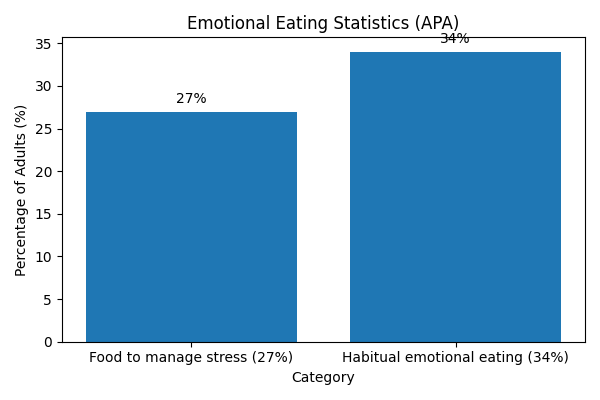
Emotional eating is more than just occasional comfort food — it’s a pattern of eating to cope with feelings rather than satisfy physical hunger. Before and after bariatric surgery, many people struggle with this behavior: according to the American Psychological Association, 27 % of adults turn to food to manage stress and 34 % say eating to cope with emotions has become a habit. But does weight‑loss surgery solve the problem? The answer is nuanced. This article explains what emotional eating is, why it persists after surgery, and how you can develop healthy coping strategies.
What Is Emotional Eating?
When we eat because we’re anxious, bored or lonely (rather than because our body needs fuel), we are engaging in emotional eating. Experts describe it as using food to cope with uncomfortable feelings. Common triggers include stress, boredom, loneliness, depression, low self‑esteem and social pressure. During emotional eating, sugary or high‑fat comfort foods temporarily soothe emotions but are often followed by guilt and regret. Over time, this cycle reinforces unhealthy habits and makes weight‑loss efforts more difficult.
Emotional Eating Before Surgery
The statistics speak volumes. A survey cited by the American Psychological Association found that 27 % of adults use food to deal with stress and 34 % admit that emotional eating has become a habitual way of coping. These numbers underscore how widespread the problem is. A bariatric procedure cannot erase deeply ingrained coping mechanisms; it can, however, give you an opportunity to reset your relationship with food.
Does Bariatric Surgery Cure Emotional Eating?
Bariatric surgery alters your digestive system and restricts the quantity of food you can eat, but it does not automatically cure emotional eating. A systematic review of 17 studies found that emotional eating scores decrease significantly within the first 4–18 months after surgery. Researchers observed an average standardized mean difference (SMD) reduction of 1.09, indicating a substantial short‑term improvement. However, evidence beyond the 12‑month mark is limited and mixed; unresolved psychological issues can lead to the return of emotional eating behaviors.
Moreover, surgery doesn’t remove the environmental triggers that lead people to eat emotionally in the first place. Stress, boredom and negative emotions still occur, and without healthier coping strategies, individuals may turn to liquid calories, grazing or high‑calorie soft foods. That’s why bariatric programs include psychological assessments and counseling: mental health and emotional readiness are key components of long‑term success.
Strategies to Manage Emotional Eating
Luckily, emotional eating is not a permanent state. By becoming aware of your triggers and practicing healthier behaviors, you can retrain your response to stress and discomfort. Here are evidence‑based strategies:
1. Ask: “Am I really hungry?”
Before reaching for food, pause and assess whether you are experiencing physical hunger or an emotional trigger. If it’s emotional, try drinking water, going for a short walk, calling a friend or practicing deep breathing instead. Keeping a food journal can help you identify patterns and triggers.
2. Practice mindful eating
Mindful eating means slowing down, savoring each bite and paying attention to taste and texture. This practice helps you recognize when you’re full and reduces the urge to eat mindlessly. It also encourages healthier food choices after surgery.
3. Build a support network
Social support is crucial. Connect with family, friends, support groups or a counselor to talk about your challenges and successes. Shared experiences reduce feelings of isolation and provide accountability. Remember, depression and anxiety are often intertwined with emotional eating, so professional therapy can be a valuable part of your recovery.
4. Engage in physical activity
Exercise isn’t just for weight loss—it can also be a healthy outlet for stress and negative emotions. Incorporate activities you enjoy, such as walking, swimming or yoga, to elevate mood and reduce cravings.
5. Seek professional help
Psychologists and dietitians can help you address unresolved emotional issues that may be driving your eating patterns. Many bariatric programs include counseling, and continuing therapy after surgery helps maintain progress.
Building Long‑Term Emotional Resilience
Developing a new relationship with food is a journey, not a quick fix. While bariatric surgery can provide a powerful tool for weight loss, long‑term success requires ongoing work on emotional health. Novara Academy’s programs—Pre‑Op: Preparing for Next Chapter, Life After: Next Chapter and Evolve: Continuing the Journey—integrate coaching, psychological support, nutrition education and peer community to help you build healthy habits for life.
Takeaway
Emotional eating is common and can undermine weight‑loss efforts. Bariatric surgery can reduce emotional eating in the short term but doesn’t address underlying psychological triggers. By practicing mindful eating, building a support network, staying active and seeking professional help, you can create lasting change. If you’re ready to transform your relationship with food and yourself, reach out to Novara Academy. You don’t have to do this alone.
