
Embarking on a bariatric‑surgery journey starts with an honest look at your health.
Understanding who qualifies for weight‑loss surgery helps you make an informed decision and sets realistic expectations.
This guide breaks down the clinical criteria, the screening process and the psychological factors involved in deciding whether bariatric surgery is right for you.
BMI & Weight Requirements
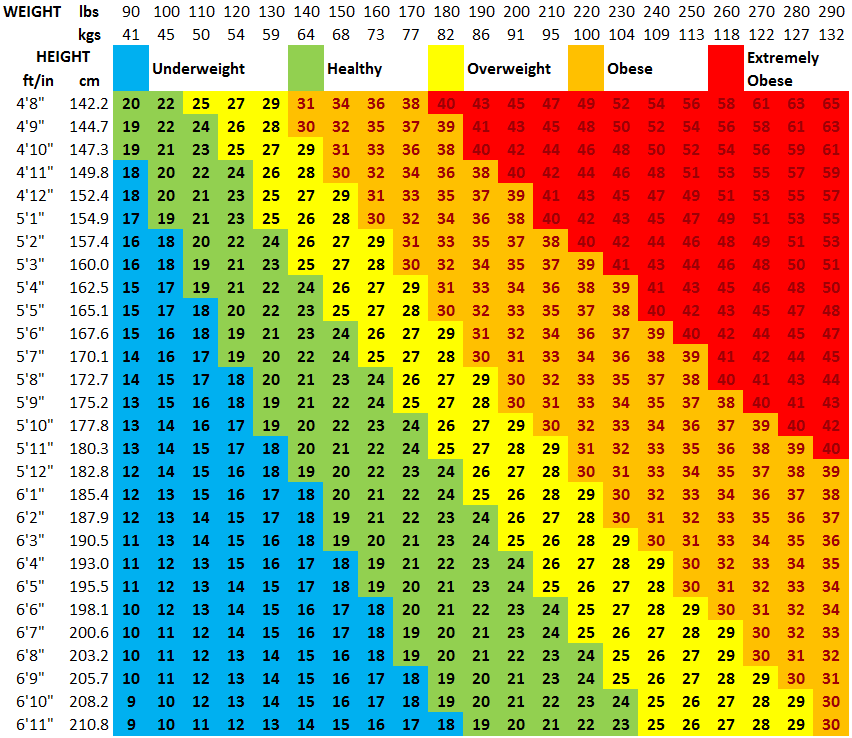
The main eligibility factor for bariatric surgery is body mass index (BMI). BMI is calculated from height and weight and categorizes body fat level. Most programs follow guidelines published by national health organizations:
| BMI Category | Description & Surgery Eligibility |
|---|---|
| BMI ≥ 40 (Obese III) | Considered class III obesity; adults with BMI ≥ 40 may be candidates for weight‑loss surgery even without additional health problems |
| BMI 35 – 39.9 with serious health problems | If you have a BMI ≥ 35 along with obesity‑related conditions such as type 2 diabetes, high blood pressure, heart disease or sleep apnea, you may be eligible |
| BMI 30 – 34.9 with uncontrolled type 2 diabetes | Some programs consider surgery for people with BMI ≥ 30 who have difficult‑to‑control diabetes |
| Teens: BMI ≥ 40, or ≥ 35 with serious conditions | Adolescent candidates typically need a BMI ≥ 40, or ≥ 35 with severe health problems such as sleep apnea, severe type 2 diabetes or heart disease |
Obesity‑Related Health Conditions
Beyond BMI, bariatric teams look at obesity‑related comorbidities. You might be a candidate if you struggle with one or more of the following:
- Type 2 diabetes (especially if hard to control)
- Heart disease or a history of heart attack
- High blood pressure or high cholesterol
- Obstructive sleep apnea
- Severe fatty liver disease
- Joint problems and mobility limitations
These conditions, combined with a high BMI, may prompt your doctor to recommend surgery as part of a comprehensive treatment plan.
Tip: Keep track of your weight and medical history. Bring laboratory reports and a list of medications to your consultation so the bariatric team can assess your full health picture.
The Screening Process
Bariatric surgery isn’t a one‑size‑fits‑all solution. Candidates go through a multi‑step evaluation to ensure they’re physically and mentally prepared. According to the Obesity Medicine Association, the typical process involves:
- Initial consultation and BMI calculation – A surgeon or bariatric specialist reviews your weight history, previous weight‑loss attempts and reasons for seeking surgery.
- Physical examination – A full medical exam identifies any underlying conditions and helps choose the most appropriate procedure.
- Psychological evaluation – A mental‑health professional assesses your readiness, screens for depression or eating disorders and looks for strengths such as a supportive network.
- Nutritional assessment – A registered dietitian evaluates eating habits, educates you on post‑surgery diets and tests your ability to follow a structured eating plan.
- Medical testing – Blood tests, imaging and sometimes sleep studies assess your overall health and surgical risk.
- Education and informed consent – Programs offer classes and counselling about procedure options, lifestyle changes and potential risks.
- Insurance and administrative approval – Finally, the team submits documentation to your insurance provider and schedules a surgery date once all criteria are met.
Psychological Readiness and Emotional Health
The psychological evaluation ensures you have realistic expectations and coping strategies. It isn’t designed to reject patients—according to the Obesity Action Coalition, only about 4 % of candidates are not cleared. Instead, the evaluation identifies:
- Strengths, like motivation to exercise, understanding of the surgery and strong social support.
- Areas needing support, such as depression, emotional eating or unstable relationships.
The evaluator may ask family or friends to join the discussion to gauge your support network. If challenges are uncovered, your team might recommend therapy or support groups before proceeding.
Call‑out: Bariatric surgery is a tool—not a cure. Long‑term success requires lifestyle changes, emotional resilience and a willingness to attend follow‑up appointments and support meetings.
Factors That May Delay or Disqualify Surgery
While most motivated applicants eventually qualify, there are situations where surgery is delayed or not recommended. According to the Obesity Medicine Association, these include:
- BMI below the required threshold without serious comorbidities.
- Severe untreated mental‑health issues, such as uncontrolled depression, active psychosis or substance abuse.
- Lack of emotional support from family or friends, making it difficult to maintain post‑surgery routines.
- Uncontrolled medical conditions (e.g., heart disease, kidney disease) that increase surgical risk.
- Substance misuse, including alcohol or drugs.
If any of these issues apply, your team will work with you to address them—often through counselling or medical management—before moving forward.
Special Considerations for Teens
Adolescents seeking bariatric surgery undergo an even more careful evaluation. The National Institute of Diabetes and Digestive and Kidney Diseases notes that teens typically need a BMI ≥ 40, or BMI ≥ 35 with severe obesity‑related conditions. A multidisciplinary team assesses physical maturity, psychological readiness and family support, ensuring the young person understands and is prepared for lifelong changes. <blockquote> <p><strong>Note:</strong> Most programs require that teens have already tried a structured weight‑loss plan and demonstrated the ability to follow medical advice.</p> </blockquote>
How Novara Can Help
At Novara Academy, our Pre‑Op: Preparing for Next Chapter program guides candidates through every step of this process—from BMI screening and medical evaluations to psychological coaching and peer support. We’ll work with your healthcare team to determine if surgery is the right choice and, if so, help you build the habits needed for long‑term success.
Ready to explore your options? Connect with us today to schedule a personal consultation. Bariatric surgery isn’t a last resort—it’s a tool to reclaim your health when used alongside nutrition, movement and community.
Disclaimer: This article is for general informational purposes and does not replace medical advice. Always consult with a qualified healthcare professional before making decisions about bariatric surgery.
